Agriculture

Agriculture

MP Seeks Revision of Arecanut Moisture Norms to Protect Dakshina Kannada Farmers

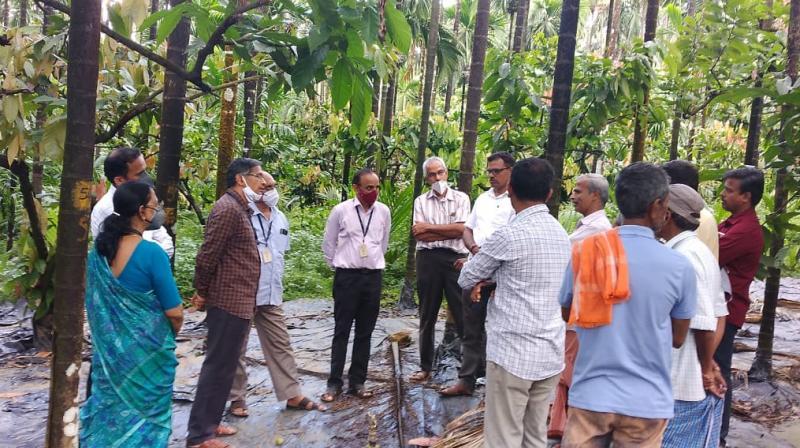
Dakshina Kannada MP Capt. Brijesh Chowta met Union Minister Chirag Paswan to seek a revision of the Food Safety and Standards Authority of India (FSSAI) moisture limit for arecanut. Farmers in the coastal region face difficulty meeting the existing 7% moisture standard due to the district’s humid climate, resulting in rejection of produce and financial losses. The MP requested an increase in the permissible moisture limit, standardized testing methods, and improved post-harvest infrastructure to safeguard the livelihoods of arecanut growers across Dakshina Kannada.
Agriculture

Dakshina Kannada’s ‘Tunnel Man’ Continues to Inspire Sustainable Farming

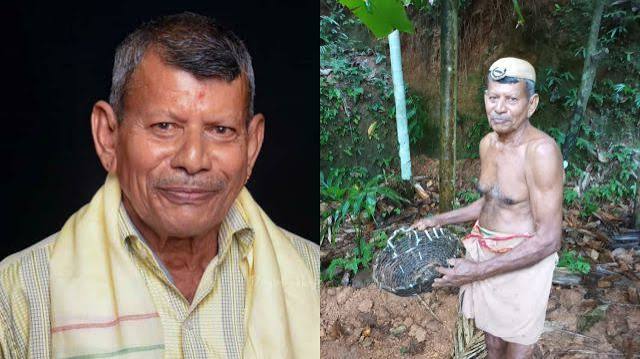
Padma Shri awardee Amai Mahalinga Naik from Adyanadka in Dakshina Kannada is widely recognized for transforming barren land into a thriving farm using an innovative tunnel-based water conservation system. By digging tunnels through hills to access groundwater, he created a sustainable irrigation model that supports arecanut, coconut, pepper, cashew, and banana cultivation. His farm has become a learning center for farmers and agricultural enthusiasts from across India, demonstrating the value of innovation in sustainable agriculture.

Agriculture

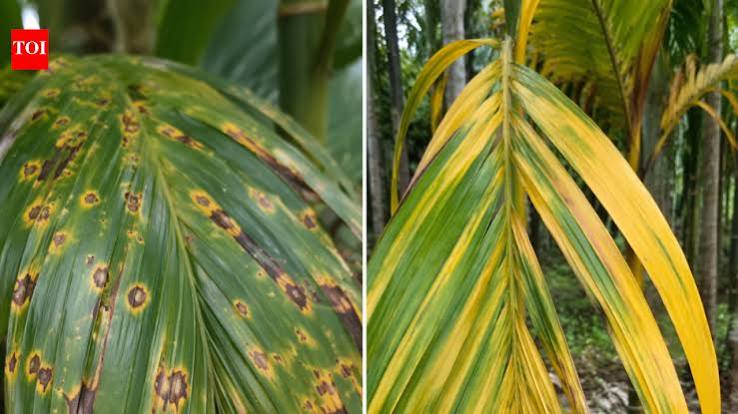
Arecanut Growers Report Decline in Leaf Diseases Across Dakshina Kannada

Arecanut farmers in Dakshina Kannada have reported a noticeable decline in the incidence of Yellow Leaf Disease (YLD) and Leaf Spot Disease (LSD) during the current season. According to growers and horticulture officials, timely preventive spraying, improved plantation management, and relatively weak early monsoon conditions have helped reduce the spread of these diseases. Farmers have also been encouraged to continue scientific crop management practices, maintain proper drainage, and regularly monitor plantations to protect crop health and sustain arecanut production in the district.

Agriculture

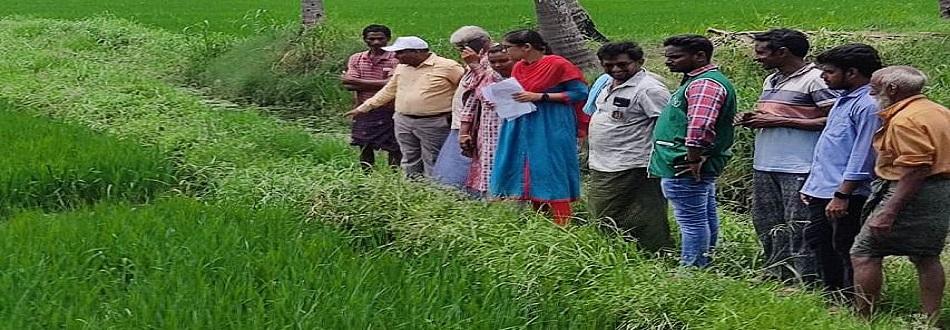
KVK Dakshina Kannada Expands Scientific Farming Demonstrations for Farmers

The Krishi Vigyan Kendra (KVK), Dakshina Kannada, has launched a series of frontline demonstrations under its 2024–25 action plan to promote modern farming practices. The programme covers improved varieties of paddy, integrated leaf spot management in arecanut, coconut crop nutrition, cocoa canopy management, vegetable cultivation, livestock, fisheries, and poultry farming. These initiatives aim to increase crop productivity, improve farm income, and encourage sustainable agriculture across the district.

Agriculture

Farmers Seek Urgent Measures to Combat Arecanut Diseases in Dakshina Kannada

Farmers across Dakshina Kannada have expressed concern over the increasing incidence of Leaf Spot Disease (LSD) and Yellow Leaf Disease (YLD) affecting arecanut plantations. Agricultural experts and farmer representatives have called for enhanced research, disease management strategies, and financial assistance to protect one of the district’s most important commercial crops. Arecanut cultivation supports thousands of farming families and plays a significant role in the local economy, making timely intervention essential to minimize crop losses.

Agriculture

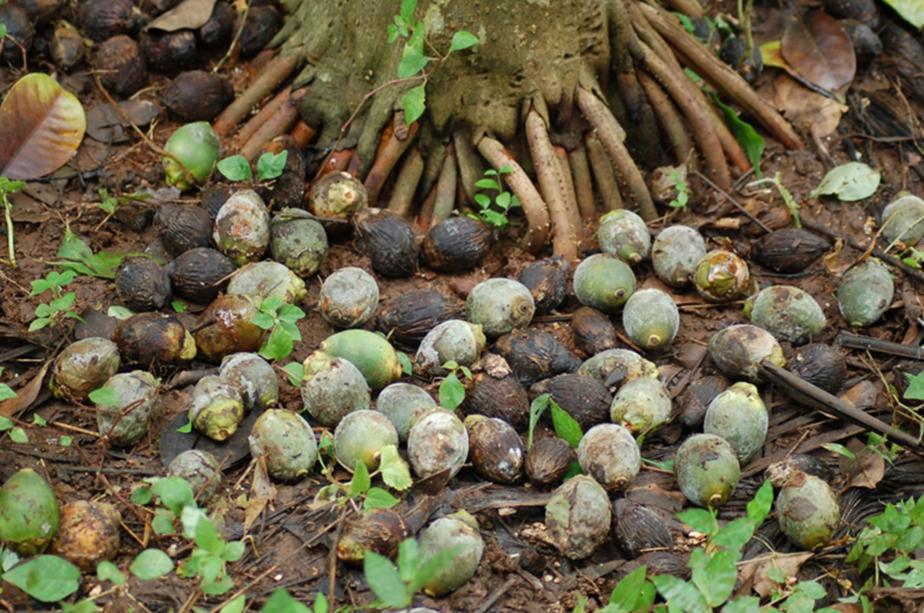
CAMPCO Seeks Compensation as Fruit Rot Disease Damages Arecanut Crop in Dakshina Kannada

The Central Arecanut and Cocoa Marketing and Processing Cooperative (CAMPCO) has urged the Karnataka Government to provide compensation to arecanut farmers after widespread fruit rot disease (Kole Roga) damaged plantations in Dakshina Kannada. Continuous heavy monsoon rains triggered the disease, resulting in significant crop losses despite repeated fungicide applications by farmers. CAMPCO President A. Kishore Kumar Kodgi requested the government to conduct an immediate crop damage survey and extend financial assistance to affected growers across the district.

Agriculture

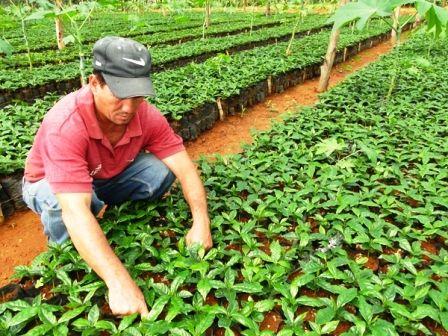
Dakshina Kannada Arecanut Farmers Turn to Coffee Cultivation as an Alternative Crop

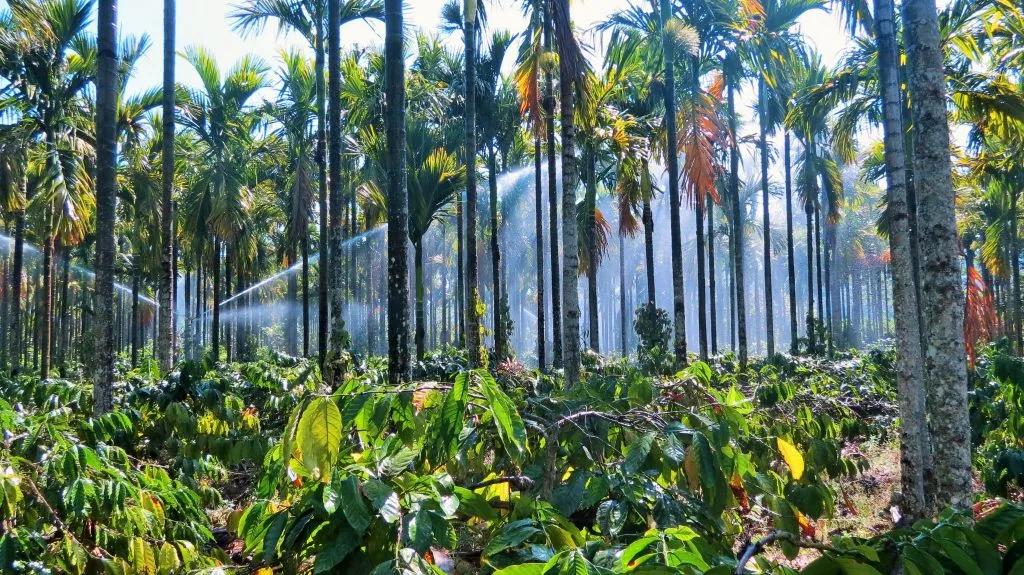
Farmers in Dakshina Kannada, particularly in the Puttur region, are increasingly adopting coffee cultivation alongside traditional arecanut farming. Concerned about fluctuating arecanut prices, recurring crop diseases, and changing climatic conditions, many growers have planted over one lakh coffee saplings as a long-term diversification strategy. Agricultural experts believe that integrating coffee with arecanut plantations can improve farm income, reduce dependence on a single crop, and promote sustainable plantation agriculture. The trend reflects farmers’ efforts to build resilience against market and environmental uncertainties while making better use of existing plantation land.

Listing
Jobs
Home
News
Contact